Transporting Highland Cattle Safely: NVD, Biosecurity & Delivery Explained
What actually happens between "sold" and "in your paddock" — the compliance and welfare side of livestock delivery.
1. Why Livestock Transport Biosecurity Isn't Optional Paperwork
Livestock transport biosecurity exists to prevent disease spread between properties during movement — it's a legal requirement, not an optional courtesy, and it protects both the animal you're buying and every other herd it passes near in transit.
2. PIC Registration: The Document That Makes Legal Delivery Possible
Without active pic registration at your destination address, an accredited carrier legally cannot complete delivery — this is the single most common hold-up buyers hit, and it's entirely avoidable by registering before you place an order, not after.
3. What Cattle Transport Biosecurity Actually Involves in Practice
In practice, cattle transport biosecurity means a pre-movement health check, a National Vehicle Declaration (NVD) travelling with the animal, and a carrier accredited to handle livestock under national biosecurity standards — not just any freight service.
4. NLIS Tag Highland Cattle Transfer: What Happens on Dispatch Day
The nlis tag highland cattle transfer to your PIC is completed electronically on the national database on the day the carrier collects the animal — this is what makes the ownership change legally traceable, and it happens automatically as part of the dispatch process.
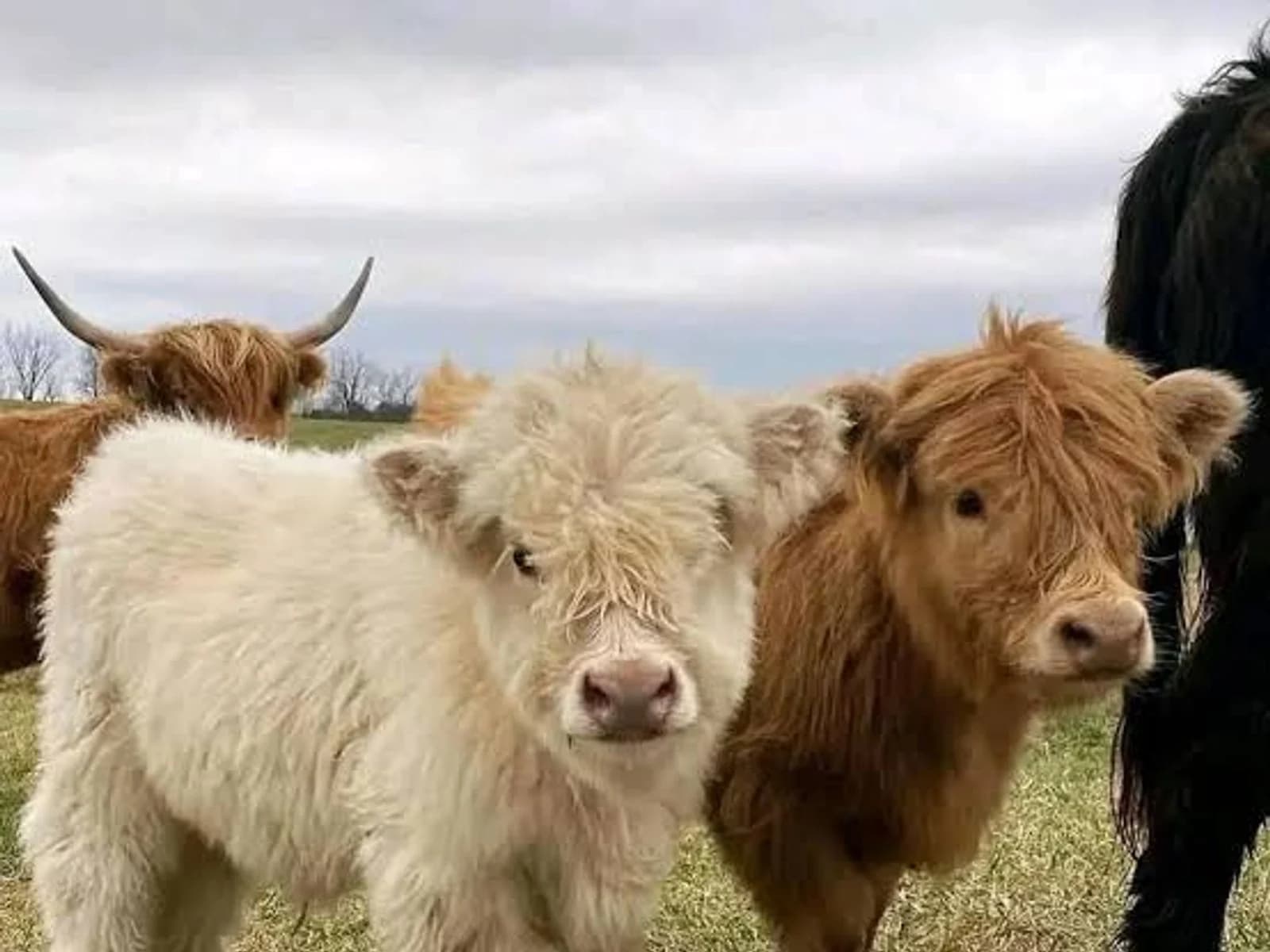
5. Delivery Mini Highland Cows: What to Expect on Your End
For delivery mini highland cows to your property, have a secure unloading area with flat, stable ground ready before the carrier arrives, and confirm your paddock and water access are set up — the animal should be able to walk straight from the truck into its new environment with minimal stress.
Frequently Asked Questions
Can I skip livestock transport biosecurity requirements for a short local delivery?
No — the same national biosecurity standards apply regardless of distance. Even a short local movement requires proper NVD and NLIS compliance; there's no informal exemption for nearby deliveries.
How far in advance should I sort pic registration before ordering?
Ideally before you place an order at all — it takes minutes online through your state's agricultural department, and having it active avoids any delay once your animal is ready for dispatch.
Does cattle transport biosecurity cost extra on top of the animal price?
Compliance itself (NVD, health checks) is typically bundled into the freight cost rather than charged separately — always confirm with your seller exactly what's included in the quoted delivery price.
What if the nlis tag highland cattle transfer doesn't go through on time?
This is rare when your PIC is already active, since the transfer is completed electronically on dispatch day — the main cause of delay is an inactive or incorrect destination PIC, which is why registering early matters.
What's the biggest mistake buyers make preparing for delivery mini highland cows?
Not having the unloading area and paddock genuinely ready — flat stable ground, secure fencing, and water access should all be sorted before delivery day, not scrambled together once the carrier is already en route.
Interested in Current Available Stock?
Browse our 72 micro and miniature cattle or place a direct paddock delivery order online.