Dwarfism in Cattle: What "Chondro" Really Means
The genetics behind "Chondro," explained plainly — what it is, what it isn't, and why the breeding rule around it exists.
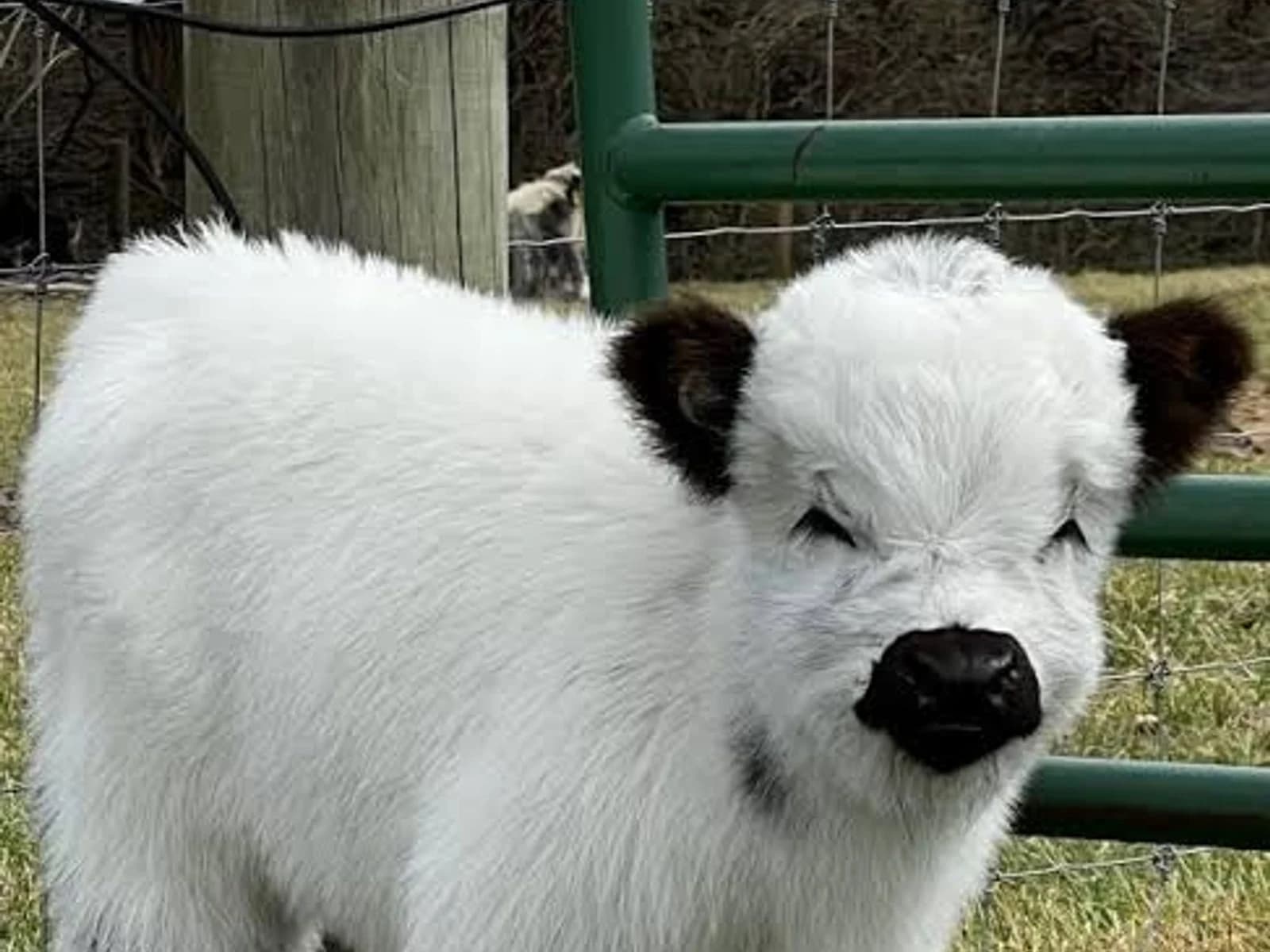
1. "Dwarf Cow" Is a Loaded Term — Here's What It Actually Means
When people search dwarf cow in the context of miniature Highlands, they're usually asking about Chondrodysplasia, a naturally occurring gene mutation that shortens long-bone growth in the legs while the body barrel develops normally — not a health disorder in a carrier animal, just a distinct genetic trait.
2. Chondrodysplasia in Plain English
Chondrodysplasia comes in two relevant states: Chondro+ (a carrier, with visibly shorter legs) and Chondro-negative (no copies of the gene, standard leg proportion for its height class). Both are completely healthy on their own — the risk only appears in how they're paired for breeding.
3. Why Chondro Negative Highland Cattle Matter So Much in Breeding Pairs
The single rule that protects every calf: never mate two Chondro+ carriers together, since that combination carries a 25% risk of fatal "bulldog calf" syndrome. Pairing a carrier with a confirmed chondro negative highland cattle partner eliminates that risk entirely while still allowing the shorter-leg trait to appear in some offspring.
4. What a Dwarf Highland Cow Looks Like Day to Day
A dwarf highland cow (Chondro+ carrier) lives a completely normal, healthy life — same lifespan, same temperament, same grazing and paddock needs as a non-carrier. The only visible difference is proportionally shorter legs relative to body size.
5. Why Mini Highland Genetics and Chondro Are Often Confused
Mini highland genetics for height (the 36–42 inch hip standard) and Chondrodysplasia are two separate things that can occur independently or together — a miniature-standard animal is not automatically a Chondro carrier, and a Chondro carrier is not automatically classified as "miniature." Always ask for the specific DNA result rather than assuming from appearance.
Frequently Asked Questions
Is a chondro dna test something every buyer should ask for?
Yes, without exception if you're considering breeding the animal. Even for a pet-only purchase, knowing the status is useful information and any registered breeder should be able to provide it on request.
Does dwarf cow status affect a highland's health or lifespan?
No — a Chondro+ carrier lives a completely normal, healthy life. The only genuine health risk occurs when two carriers are bred together, which responsible breeders avoid entirely.
Can chondrodysplasia be tested before I buy, or only after?
It can and should be tested and disclosed before purchase — reputable studs test their entire breeding herd and can provide documented DNA results as part of the sale, not after the fact.
Is a chondro negative highland cattle animal "better" than a carrier?
Not better — just different, and safer to pair with another carrier in a breeding program. Both statuses make equally healthy, happy companion or breeding animals on their own.
How does mini highland genetics height relate to a dwarf highland cow's final size?
They're related but distinct — a Chondro+ animal has proportionally shorter legs for its height class, which can make it appear even more compact, but the overall hip-height standard (miniature vs micro) is governed by separate genetics.
Interested in Current Available Stock?
Browse our 72 micro and miniature cattle or place a direct paddock delivery order online.