Dehorning vs Polled Genetics: A Highland Cattle Buyer's Guide
Horns are part of the Highland look — but not every buyer wants to manage them. Here's what your real options are.
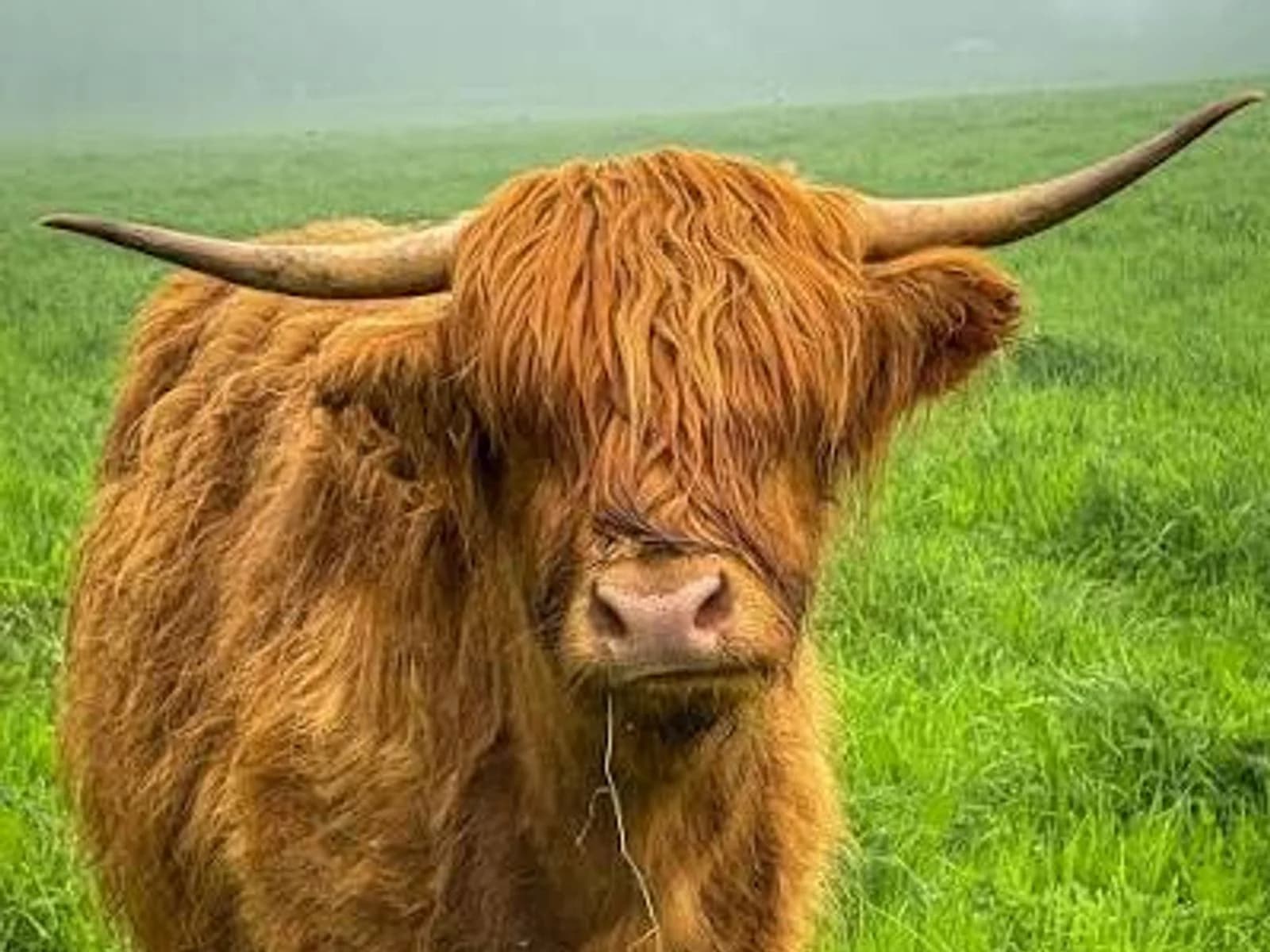
1. Why This Question Matters More for Highlands Than Other Breeds
Highland cattle are famous for their dramatic horns, but for a family paddock pet, dehorning cattle is a genuinely common request — horns require more careful handling around children and other animals, and some council or insurance conditions on lifestyle acreage prefer dehorned or naturally polled stock.
2. Naturally Polled Is the Gentler Alternative to Dehorning
Rather than physically dehorn cows, some breeding lines carry the naturally polled (hornless) gene, meaning the animal is born without horn growth at all — no procedure required. Ask specifically whether an animal is genetically polled versus simply young enough that horns haven't emerged yet.
3. If Dehorning Is Needed, Timing Matters
The best age to dehorn calves is well before the horn bud attaches to the skull, typically within the first few weeks of life, when the procedure is far less invasive and recovery is quick. Waiting until horns are established makes the process significantly more involved and stressful for the animal.
4. What a Dehorner Cattle Tool Actually Does
A dehorner cattle tool used at the correct early age (often a hot-iron or paste method) targets the horn bud itself, not mature horn tissue — this is why timing is the single biggest factor in how straightforward or difficult the process is.
5. Dehorned Cattle Still Retain Full Highland Character
A common misconception is that dehorned cattle lose their Highland appeal — but the shaggy double coat, fringe, and temperament are entirely unrelated to horn status. Plenty of dehorned or polled Highlands are just as iconic and photogenic as their horned herd-mates.
Frequently Asked Questions
Is dehorning cattle painful for the animal?
Done at the correct early age with proper technique, discomfort is minimal and short-lived. Left until horns are established, the procedure becomes significantly more invasive — which is exactly why timing matters so much.
Should I dehorn cows myself or use a vet?
For a first-time owner, a vet or experienced stud handler performing the procedure at the correct age is strongly recommended over attempting it yourself — the technique and timing both matter for a low-stress outcome.
What is the best age to dehorn calves specifically?
Generally within the first few weeks of life, before the horn bud fuses to the skull. Ask your breeder or vet for the exact window recommended for the method they use.
Is a dehorner cattle tool something I need to buy myself?
Not for a first-time buyer — this is a procedure best left to a vet or experienced handler with the correct tool and technique, rather than a DIY purchase.
Are polled highland cattle harder to find than horned stock?
They're less common than horned genetics simply because horns are part of the classic Highland look most breeders select for, but polled lines do exist and are worth asking about directly if you specifically want to avoid horns or dehorning altogether.
Interested in Current Available Stock?
Browse our 72 micro and miniature cattle or place a direct paddock delivery order online.